
Earth Leakage Installation and Testing Services in Pretoria
Could a simple check of your Earth Leakage Installation Pretoria stop a trip, spark, or worse at your home or business? Maintaining your electrical system is not just about convenience; it is a critical safety measure that protects both your property and the people inside it.
By ensuring your safety switches are functioning correctly, you can prevent unexpected power failures and mitigate the risk of electrical fires or shocks before they even start.
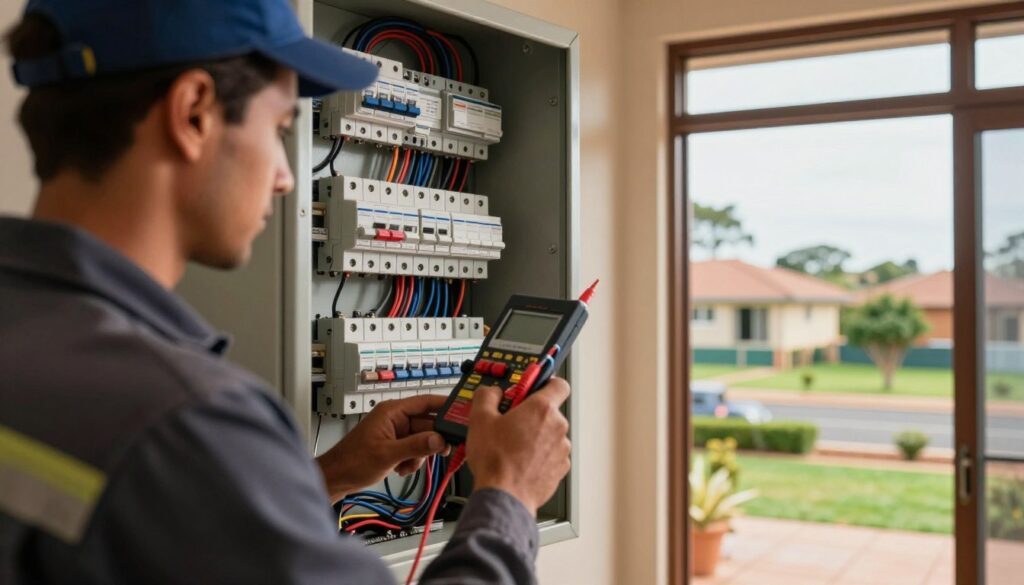
We are a Pretoria-based electrical team offering prompt, safety-first solutions for homes and businesses. Our electricians provide breaker replacement, fault diagnosis and practical advice for both residential and commercial clients across Pretoria, Centurion and Midrand.
When you call us, we assess the electrical system and DB board, carry out straightforward troubleshooting and give a clear recommendation — repair, replacement or a new installation. We aim to reduce shock risk, fire risk and nuisance tripping while keeping disruption minimal.
Trouble signs like frequent trips, burning smells or recent renovations need fast attention. Treat these as an emergency and isolate power where possible, then contact us for a competitive quote.
| Service type | Typical time on site | What’s included | When needed |
|---|---|---|---|
| Testing & replacement | 1–3 hours | DB checks, fault finding, report | Frequent tripping, upgrades |
We prioritize fast, reliable solutions for safe power and peace of mind- Contact Us!
Earth Leakage Installation Pretoria For Homes And Businesses In Pretoria, Centurion And Midrand
We fit and test protective devices that cut power fast when a fault appears. This reduces the risk of shock and fire in wet areas, outdoor circuits and busy kitchens.
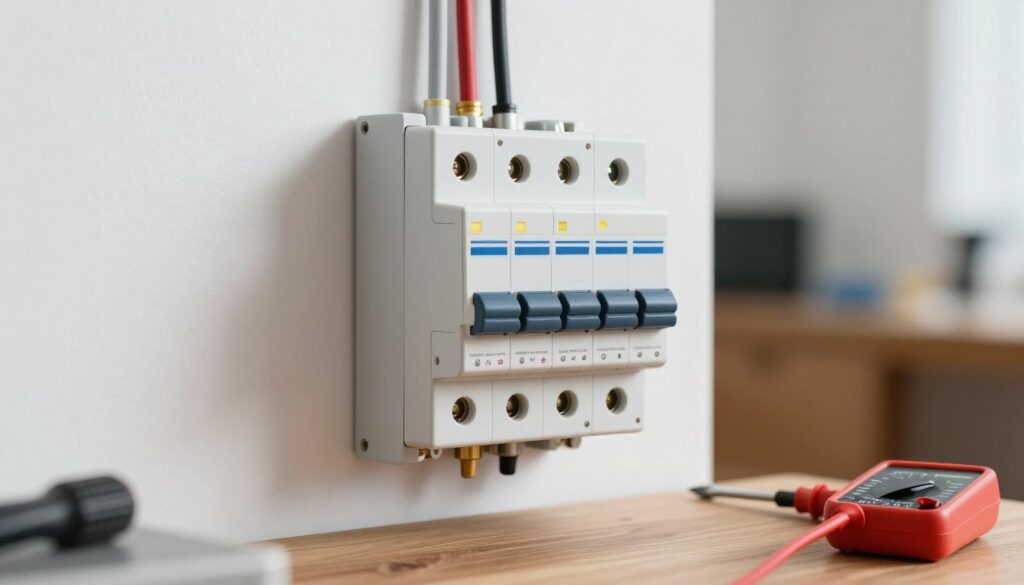
What a protective unit does and why it matters
An RCD/ELCB detects an imbalance to earth and trips almost instantly. That quick action protects people and limits damage to wiring and appliances.
Where we work inside the DB board
We check the RCD, main switch interface, neutral bar and earth bar. We also tidy terminations and replace aged components that cause nuisance trips or overheating.
| DB board component | What we install/replace | Symptom |
|---|---|---|
| Earth leakage unit | New RCD/ELCB with correct rating | Nuisance tripping, no protection |
| Breakers | MCBs and main switch | Overheating, failed trips |
| Neutral/Earth bars | Replacement or re-termination | False trips, loose connections |
| Labels & enclosure | Labelling and minor repairs | Unclear circuits, safety risk |
Service coverage and travel
| Area | Travel considerations |
|---|---|
| Pretoria East, North, West | Same-day possible; after-hours on request |
| Moot, Akasia, Brooklyn | Standard radius; travel fee beyond 25 km |
| Hatfield, Menlyn, Waterkloof, Garsfontein | High availability; weekend options |
| Faerie Glen, Lynnwood, Centurion, Midrand | Same-day often; longer trips may incur fee |
Residential vs commercial and when to replace
Single-phase homes usually need correctly rated devices to protect geysers, stoves or pool pumps. Commercial sites may need multiple boards and minimal downtime planning.
| Decision | Replace | Install new |
|---|---|---|
| Age & repeated faults | Replace | Install new if board capacity is low |
| Renovations or added circuits | Replace if minor | Install new for solar/inverter or extra distribution |
| Compliance upgrade | Replace failing parts | Install new for full compliance |
We use compliant parts, tidy wiring and full tests before handover to give stable power and reliable protection.
Testing, Fault-Finding And Compliance-Focused Electrical Services – Earth Leakage Installation Pretoria
Using precise testing and methodical fault-finding, we locate problems in DB boards and circuits quickly. We pair clear visual checks with instrument testing to find where trips start and what needs repair.

How we test and trace faults
Our approach begins with a visual DB inspection, torque checks and confirming neutral-to-earth arrangements. We then meter the protective device and isolate circuits to pinpoint the fault path.
| Test / inspection step | What it tells us | Next action |
|---|---|---|
| Visual DB check | Heat, burn marks, loose terminations | Repair or replace terminals |
| Instrument RCD test | Trip sensitivity and timing | Service or replace device |
| Circuit isolation & load test | Appliance vs wiring fault | Trace wiring or remove appliance |
Common causes of tripping
| Cause | Symptom | Typical remedy |
|---|---|---|
| Moisture ingress | Outdoor points, pool gear trips | Dry, reseal or rewire |
| Faulty wiring | Intermittent trips | Repair sections, replace cabling |
| Damaged insulation | Persistent leakage | Replace conductors |
| Appliance element failure | Trips when appliance runs | Service or replace appliance |
We also check breakers, test for neutral-to-earth faults and offer COC readiness checks. While on site we handle wiring repairs, plug and light fixes, gate motor work, generator and solar connections, and lightning damage repairs to restore safe power fast.
| Client type | Suggested checks | Interval |
|---|---|---|
| Homes | DB check, circuit test, geyser and pool circuits | 3–5 years or post-renovation |
| Rentals | Basic DB health, circuit breaker checks, tenant safety | 2–3 years |
| Businesses | Full compliance test, COC prep, emergency circuits | Annually or after lightning |
What To Do When Your Earth Leakage Keeps Tripping – Earth Leakage Installation Pretoria
If your protective unit keeps cutting power, follow a safe, ordered process to identify the problem before calling for help. We give calm, practical steps you can do now to reduce shock risk and protect property.
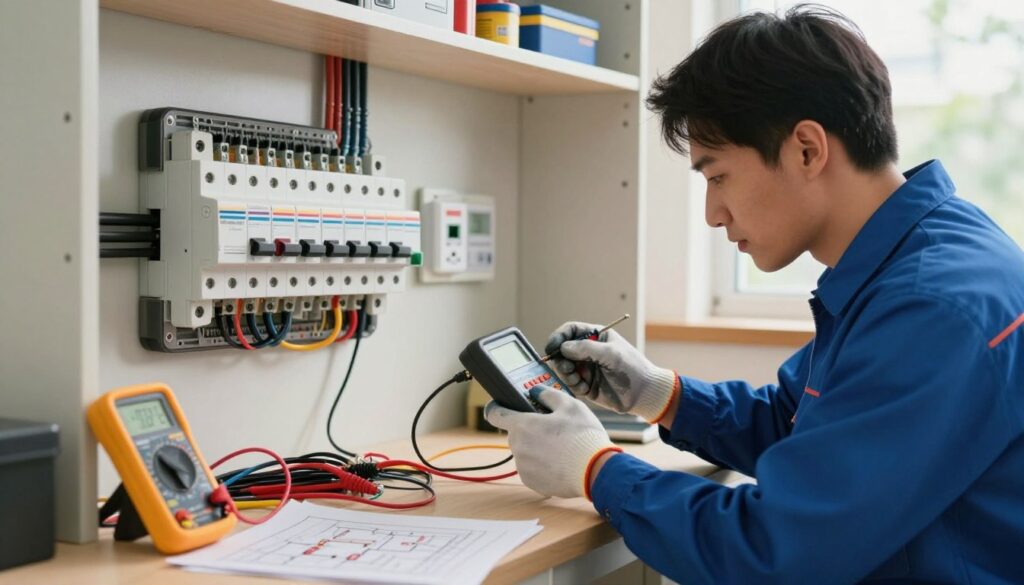
Safe isolation steps we recommend before we arrive
Step 1: Switch off the main switch, the earth leakage unit and all circuit breakers. Unplug every appliance and turn off isolators for stove, pool and geyser.
Step 2: Turn on the earth leakage first, then the main switch. If it trips instantly, a neutral or wiring fault is likely and you should call electricians as an emergency.
Step 3: One by one, switch on a single circuit breaker and wait 1–2 seconds. If a breaker trips, leave it off and continue. This identifies the faulty circuit without guesswork.
Step 4: Reconnect appliances or switch isolators on one at a time. If an appliance trips the device, unplug it and leave it off. Common culprits are heavy loads and water-exposed equipment.
Decision: isolate an appliance vs call immediately
| Symptom | Action | Why |
|---|---|---|
| Burning smell or heat marks | Call electricians immediately | Risk of fire; urgent repairs needed |
| Trips instantly when main switch is on | Call immediately | Neutral or wiring fault; not safe for DIY |
| Wet or water in DB area | Emergency call | Risk of shock; professional drying and repair |
| Visible cable damage | Call immediately | Exposed conductors are dangerous |
| Single appliance trips only | Isolate appliance, arrange repair | Likely appliance faults or element failure |
Quick-reference: most common trip triggers by area
| Area | Immediate safe action | Follow-up |
|---|---|---|
| Kitchen | Isolate heavy appliances; unplug | Test appliance or call for repairs |
| Bathroom | Do not touch; isolate circuit | Check for water ingress; call electricians |
| Outdoors | Do not use wet sockets; isolate | Dry and test; arrange repair |
| Pool area | Switch off pool isolator | Pool gear often causes trips; get a service |
| Garage | Unplug tools and isolate | Inspect for damaged cords; repair or replace |
If these steps point to a circuit fault, we can attend, test and carry out repairs to restore safe power with minimal downtime.
Conclusion – Earth Leakage Installation Pretoria
We provide prompt, professional electricians who test, repair and fit new installations to keep your home or business safe and reliable. Our promise is simple: correctly rated protection, thorough testing and clear advice so faults are fixed fast.
Key outcomes include fewer nuisance trips, safer daily use of electricity, a clearer route to compliance and more dependable electrical installations and maintenance.
Our scope covers installations, replacements, testing, fault-finding and on-site repairs uncovered during DB checks. If you are renovating, adding an inverter or seeing intermittent trips, act now to avoid downtime or damage.
Call us to arrange a visit and get a competitive quote. We cover Pretoria, Centurion and Midrand and offer COC readiness, wiring repairs, lights, plugs, lightning and generator/inverter connections.
| Next steps |
|---|
| Call → Brief phone assessment → Site test → Quote approval → Repair/installation → Final test and handover |

