
Solar Panel Installation and Electrical Services in Pretoria
Curious whether solar panel installation Pretoria can help you cut bills and keep the lights on during load-shedding without hiring a dozen contractors?
Electrician Pretoria are a local team delivering solar panel installation Pretoria and complementary electrical work across the city and suburbs. We offer a single point of contact for assessment, design, supply, fitting and aftercare, so you do not need multiple trades on site.
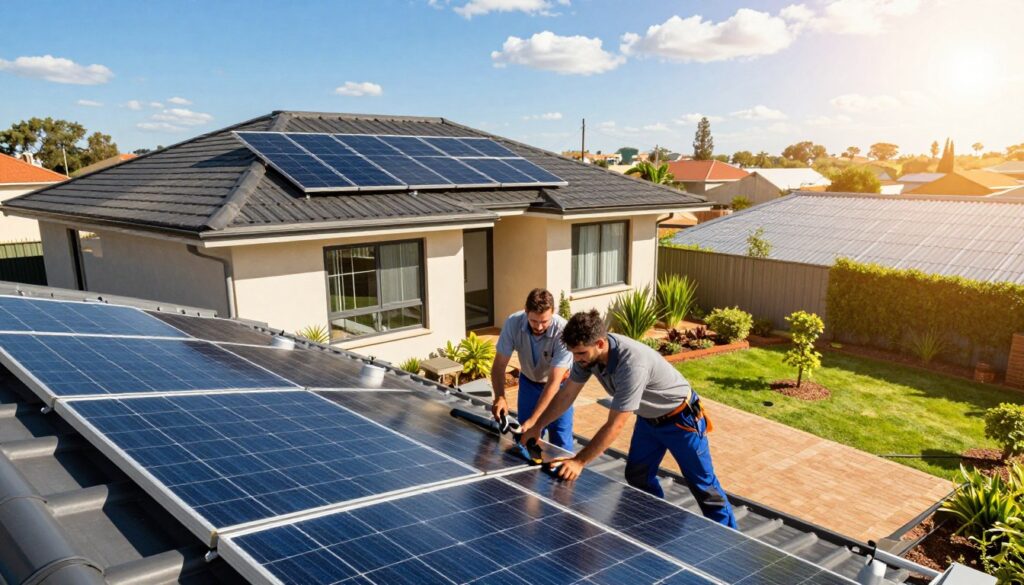
We plan systems that aim to reduce monthly electricity costs, improve backup during outages and give a modern, compliant setup that protects your property and devices. We serve homes, small offices and larger properties needing higher‑capacity systems.
What we promise: careful component selection, strict safety checks, neat workmanship and a clear handover so you know how your system works. This page also includes comparison tables, quote checklists, package examples and maintenance schedules to help you decide with confidence – Contact Us!
Solar Panel Installation Pretoria: Reliable Solar And Electrical Services Across Pretoria’s Suburbs
Our crew supports homes and businesses throughout suburbs with comprehensive energy and electrical services.
What we install and service for homes and businesses
We fit complete systems, including inverter-and-battery backup, panel additions, protection gear and DB upgrades to keep installations safe and compliant.
Basic backup vs a full solar system: a basic backup keeps essential circuits running for short outages. A full solar system is sized to handle daily demand and reduce bills over time. We help you choose the right option for your needs.
Areas we cover
We work on freestanding homes, townhouses, complexes, small offices, retail units and larger sites needing three-phase solutions. Our standards are consistent—same quality components, checks and neat finishing everywhere.
| Region | Typical property types | Common requests | Notes |
|---|---|---|---|
| North suburbs | Freestanding homes, townhouses | Backup setups, panel additions | Quick assessments; single-day installs possible |
| Central | Small offices, retail units | Three-phase upgrades, commercial systems | Formal quotes and site survey required |
| South & East | Complexes, larger homes | Batteries, DB upgrades, maintenance | Staged installs and clear timelines |
Response and support: we book assessments online or by phone. Please have recent bills and property details ready. We provide clear timelines, predictable schedules and post‑work support as standard.
Why Go Solar In Pretoria Right Now – Solar Panel Installation Pretoria
Producing your own power during daylight hours is an effective way to manage climbing energy bills.
Reduce electricity bills and manage rising energy costs
We cut dependence on the grid by generating daytime power, which lowers monthly bills and buffers you against tariff rises.
Shifting devices like geysers, pool pumps and office loads to daytime use is a simple behaviour change that amplifies savings.
Energy independence and backup during outages
Backup keeps lights, Wi‑Fi, alarms, gate motors and essential plugs running so comfort and business continuity are protected.
Independence is a spectrum — from partial support for essentials to near‑full self‑sufficiency when a battery and larger system are used.

Lower carbon footprint with clean solar power
On‑site generation shifts consumption to clean solar energy, reducing your carbon impact and aligning with sustainability goals.
Increase property value with a modern solar system
A well‑specified system adds practical value to a property. Buyers and tenants value lower bills and built‑in resilience.
| Goal | Recommended approach | Typical components | Who it suits |
|---|---|---|---|
| Lower monthly bills | Daytime generation + load shifting | Small array, monitoring | Homes, small offices |
| Outage backup | Battery-backed hybrid | Inverter, battery bank | Essentials-first households |
| Near-full independence | Larger system + storage | High-capacity array, batteries | Larger homes, businesses |
| Benefit | Outcome | Notes | |
| Lower energy costs | Smaller bills | Depends on usage patterns | |
| Backup | Continuity | Keeps critical loads online | |
| Sustainability | Reduced emissions | On‑site clean power |
Our End-To-End Process – Solar Panel Installation Pretoria
We guide every project from first visit to final handover, so the process feels straightforward and predictable.
Site assessment
We inspect roof condition, usable roof space, shading patterns and sun exposure. We note mounting options and ideal cable routes to keep work tidy.
Checklist:
- Roof soundness and orientation
- Shading at different times of day
- Mounting approach and access
- Cable paths to the distribution board
Energy needs analysis
We size the system from real consumption data — bills, prepaid records or interval readings. We prioritise essential loads so you do not get over‑ or under‑sized equipment.
System design
Designs show panel layout, inverter selection, battery sizing if needed, protection devices and expected seasonal performance. We provide clear diagrams and expected output ranges.
Installation day and neat work
On site we isolate safely, fit mounts, secure panels and run DC/AC cabling to current standards. We label circuits and perform commissioning tests.
Neat work means: trunking and conduit, sealed roof penetrations, tidy cable management and a clean DB board integration.
Handover
We set up monitoring apps where available, show how to read the inverter and explain performance expectations on cloudy days. We also highlight signs of abnormal output so you can report issues early.
| Step | What we do | What you provide | Typical time |
|---|---|---|---|
| Survey | Roof check, shading map, rough quote | Recent bills or meter data | 1–2 hours |
| Design & Quote | Layout, equipment list, performance estimate | Approval to proceed | 2–5 days |
| Install & Commission | Mounting, wiring, testing, handover | Access to property, power off during works | 1 day (typical) |
Choosing The Right Solar Panels For Your Property – Solar Panel Installation Pretoria
We match technology to site conditions so your system works well for years.
We choose module types based on roof area, shade risk, budget and expected performance. Our goal is practical value, not a one‑size‑fits‑all push.
Monocrystalline — high efficiency in limited space
Best for tight roofs: high efficiency means fewer modules for the same output. Ideal where roof area is constrained and performance matters.
Polycrystalline — balanced cost and reliability
These deliver stable performance at lower cost. They suit homeowners who want good output without premium prices.
Thin film — lightweight versatility
Use thin film where weight or unusual surfaces matter. They tolerate heat and partial shade better but need more area for the same output.
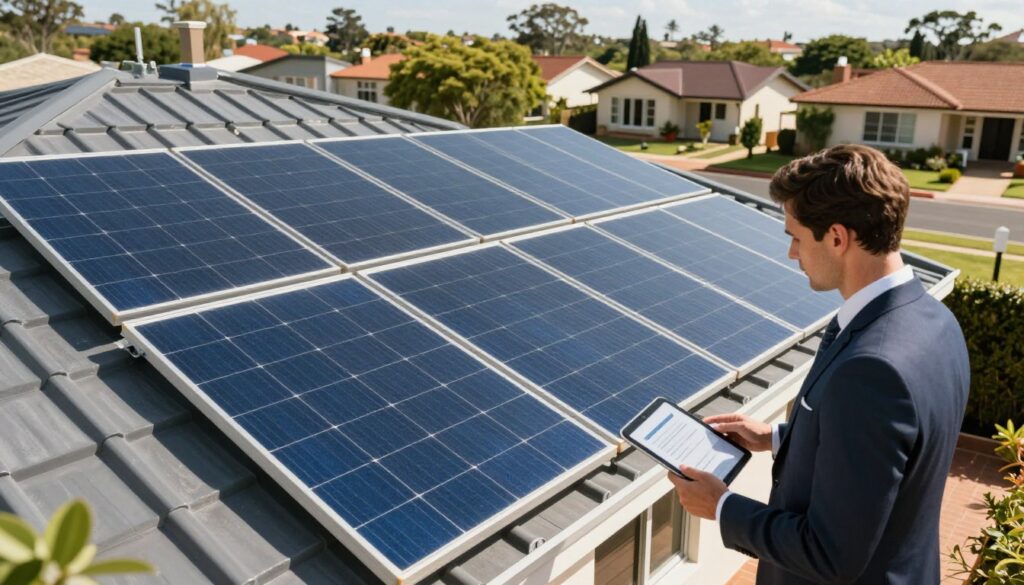
TOPCon — advanced efficiency and durability
Premium option: TOPCon offers higher efficiency and slower degradation for buyers focused on long‑term performance.
| Type | Efficiency | Space need | Budget | Best use |
|---|---|---|---|---|
| Monocrystalline | High | Low | Mid–High | Small roofs, high output |
| Polycrystalline | Medium | Medium | Low–Mid | Cost-conscious homes |
| Thin film | Low–Medium | High | Varies | Lightweight or curved roofs |
| TOPCon | Very High | Low | High | Long-term performance seekers |
| Constraint | What it means | Recommended type | ||
| Limited roof area | Need high output per m² | Monocrystalline / TOPCon | ||
| Tight budget | Cost per kW matters | Polycrystalline | ||
| Unusual surface | Weight or shape limits | Thin film |
Solar Inverters Explained: Hybrid, Off-Grid, And Grid-Tied Options – Solar Panel Installation Pretoria
An inverter is the heart of any on-site power setup, turning direct current into the alternating current your appliances use.
How the inverter makes DC usable AC
Modules and batteries produce DC. The inverter converts that DC into AC so lights, kettles and computers run safely.
We phrase it simply: no inverter, no usable electricity from your system.
Choice: hybrid, off-grid or grid-tied
Hybrid units work with batteries and the grid. They shift excess daytime energy to storage and supply backup during outages. Best for homes wanting backup plus bill reduction.
Off-grid setups run independently with a battery bank. They suit remote properties with no reliable grid access.
Grid-tied inverters export surplus daytime output and cut bills but usually stop during a grid outage unless paired with battery backup.
“Choose the inverter type that matches your outage needs and whether you want stored energy for backup.”
Pure sine wave vs modified wave
Pure sine wave output matches grid quality and protects sensitive electronics. It reduces noise, avoids overheating and supports inverters with clean, stable power.
Modified wave units cost less but can cause flicker, reduced appliance life and compatibility issues with sensitive gear.
Typical sizes for homes and small businesses
Common single‑phase residential choices centre around 3–6kW; a 5kW inverter is popular for family homes. For small businesses and larger homes we recommend three‑phase units from 8kW upwards.
Factor in high-draw items—cookers, geysers and air conditioners—as they create starting surges. We size systems to handle likely simultaneous loads.
| Type | Primary use | Outage behaviour | Who it suits |
|---|---|---|---|
| Hybrid | Daytime savings + backup | Switches to battery when grid fails | Homes wanting backup and bill cuts |
| Off-grid | Independent power | Runs solely from batteries/genset | Remote properties and cabins |
| Grid-tied | Daytime generation and export | Usually no backup without battery | Cost-focused customers wanting savings |
| Common load | Starting surge risk | Inverter notes | |
| Electric kettle | Medium | Short high current; size inverter to handle peaks | |
| Fridge / freezer | High | Compressors need surge capacity | |
| Geyser | Very high | Better on dedicated circuit or timer; consider separate load controller | |
| Office IT & comms | Low | Prefer pure sine wave for clean supply |
Battery Storage And Backup Power For Real Energy Independence – Solar Panel Installation Pretoria
Adding a battery gives your property reliable power through scheduled or sudden outages.

When batteries make sense for your needs
We recommend batteries when outages are frequent, when essential circuits must stay live, or when downtime costs your business money.
High-draw appliances shorten backup time. We advise prioritising lights, fridge, Wi‑Fi, alarm and a gate motor for sensible runtimes.
Lithium battery capacities and what they can run
Typical lithium units on the market include ~14.3kWh (Dyness PowerBrick R30 500 incl VAT) and 16kWh (Deye R32 000 incl VAT).
These batteries extend backup but rarely run ovens or multiple heaters for long. We size systems to match real energy use, not marketing claims.
| kWh | Essential loads | Estimated backup (typical) | |
|---|---|---|---|
| 5 kWh | Lights, Wi‑Fi, alarm, small fridge | 2–6 hours | |
| 14.3 kWh | Above + TV, moderate fridge use | 8–16 hours | |
| 16 kWh | Multiple essentials, short AC bursts | 9–18 hours | |
| Battery strategy | Pros | Cons | Best for |
| Small backup | Lower cost, quick install | Short runtimes | Essentials-only homes |
| Mid-tier (14k–16kWh) | Balanced runtime and cost | Higher initial spend | Families, small offices |
| High-capacity | Longer autonomy | Higher cost, space | Larger homes, business continuity |
We design storage around your consumption so you pay only for the capacity you will use and get the right support afterwards.
Solar System Solutions For Homes, Complexes, And Commercial Sites – Solar Panel Installation Pretoria
We deliver practical, staged solutions that meet daily savings goals and provide reliable backup for different property types.
Residential systems for daily savings
We design home systems to cut daytime bills and offer partial backup. Systems are scalable so owners can add batteries or extra modules later.
Typical aims: daytime generation, modest storage, and an easy upgrade path.
Small business and office systems
For shops and offices we focus on continuity for tills, routers, CCTV and lighting while lowering daytime operating costs.
We size inverters and battery banks to keep key loads online and to protect point‑of‑sale and comms equipment.
Three‑phase and high‑capacity solutions
Larger properties need three‑phase inverters and careful load balancing. We use commercial hybrids — for example a Deye 50kW three‑phase unit — where stability and expansion matter.
Protection, metering and appropriate battery sizing differ from single‑phase residential setups and are engineered to site demand.
| Site type | Primary goal | Typical configuration | Notes |
|---|---|---|---|
| Home | Daytime savings | Single‑phase inverter, small battery | Scalable for later upgrades |
| Complex / HOA | Shared backup & cost split | Multiple inverters, central storage | Requires load allocation plan |
| Small business | Continuity + cost reduction | Single/three‑phase hybrid, modular battery | Protect POS and comms |
| Large site | High capacity + stability | Three‑phase commercial inverter, large bank | Engineered balance and protection |
We always size systems from meter data and future growth plans so you get a solution that fits your use, not a one‑size‑fits‑all quote.
Component Quality You Can Trust – Solar Panel Installation Pretoria
Quality components and tested technology are the foundation of long-term value for any energy solution.
We source parts from reputable local and international suppliers to ensure availability and fast support. Our procurement favours brands with proven track records, clear firmware pathways and spare parts stock in South Africa.
We do not fit equipment we cannot support long-term. Each item must pass in‑house tests and real‑world reliability checks before we commit to it.
What we check and why it matters
- Vendor backing and warranty terms — so claims are straightforward.
- Spare parts and service networks — to reduce downtime.
- Field performance and efficiency data — to protect your expected output.
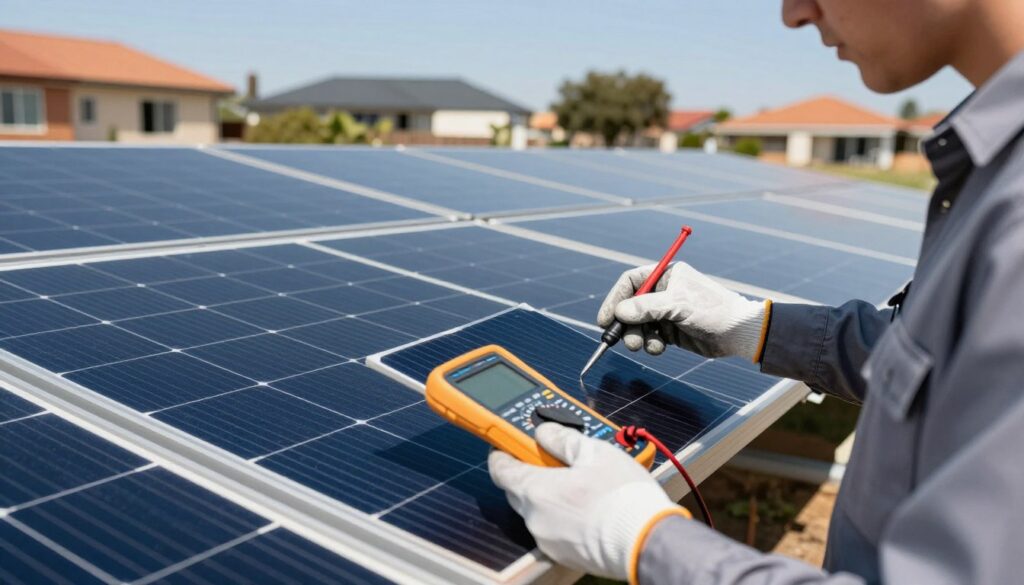
| Component | What we check | Why it matters | What you receive at handover |
|---|---|---|---|
| Inverter | Firmware updates, surge tolerance, testing | Stable performance and fewer trips | Commission report, firmware version, manual |
| Battery | Cycle testing, capacity retention, supplier backing | Reliable backup hours and predictable lifetime | Capacity report, warranty document, care notes |
| Mounting & wiring | Corrosion resistance, mechanical tests, DB compatibility | Safe, durable installation and neat service access | As‑fitted photos, workmanship certificate |
We back our workmanship with a 3‑year guarantee and supply equipment with manufacturer warranties that commonly extend to 10 years. That combination reduces total lifetime cost and preserves system performance during outages.
What Your Solar Installation Quote Should Include – Solar Panel Installation Pretoria
Good quotes spell out what’s included, so you can judge value, not just headline prices.
Panels, inverter, batteries, mounting and protection gear
We expect a quote to list module count and wattage, inverter brand and class, and battery capacity if supplied.
Include mounting type, roof attachments, isolators, breakers, surge protection and the cabling approach so the costs reflect real work and safety items.
Labour, commissioning and compliance documentation
Quotes should show labour hours, commissioning tests, certificates and any compliance paperwork.
Also ask for basic user training and a commissioning report as part of the service.
Quote checklist to compare installers fairly
| Item | What to look for | Why it matters |
|---|---|---|
| Module count & wattage | Exact number and W rating | True system output |
| Inverter model | Make, efficiency, warranty | Compatibility and backup behaviour |
| Battery capacity | Usable kWh & cycles | Real backup hours |
| Protection gear | SPDs, isolators, breakers | Safety and device protection |
Quote red flags
| Missing item | What it causes | What to request |
|---|---|---|
| Protection gear | Fire risk, device damage | Itemised protection list |
| No commissioning report | Unverified performance | Full test sheet and sign-off |
| Vague labour costs | Hidden extras | Breakdown of hours and rates |
“We prefer transparent, itemised quotes so you see exactly what you pay for and why.”
Solar Panel Installation Costs And Pricing Factors In Pretoria
Price transparency makes choosing the right solution easier.
Pricing in our region depends on a few clear drivers: system size in kW, roof complexity, and the quality of components supplied.
What drives the final figure
Major cost items include the number of modules needed, cable runs, roof work and whether the distribution board needs upgrading.
Adding a battery or a higher‑rated inverter increases prices significantly, while simple grid-tied builds remain cheaper.
How component choice affects long-term performance
Higher efficiency panels reduce roof area needs and often cut mounting and cabling complexity. That can lower labour and material cost while improving seasonal performance.
Inverter and battery chemistry influence longevity and running costs. We favour proven technology that balances upfront spend with predictable life and support.

| Package | Indicative range | Includes | Who it suits |
|---|---|---|---|
| Entry | R45 000–R75 000 | Small array, basic inverter, no battery | Lower bills, daytime savings |
| Mid | R95 000–R170 000 | Moderate array, 5kW inverter, ~14kWh battery option | Family homes: savings + backup |
| Premium | R250 000+ | High-efficiency modules, hybrid inverter, 16kWh+ battery | Business continuity and higher loads |
| Upgrade | Adds to cost | What you gain | |
| Bigger battery (14→16kWh) | R20 000–R40 000 | Longer backup hours | |
| Hybrid inverter (vs basic) | R15 000–R40 000 | Seamless backup and smarter energy use | |
| Surge protection & monitoring | R3 000–R12 000 | Better device protection and remote performance insight |
We recommend a tailored quote based on your meter data so you pay for useful capacity, not guesswork. Request a site survey and we will show exact costs and expected performance.
Warranties, Workmanship, And Post-Install Support – Solar Panel Installation Pretoria
A strong guarantee and prompt follow-up stop small faults from becoming costly problems.
Our workmanship guarantee and what it covers
We promise a three-year workmanship guarantee that covers installation integrity, mounting security, cabling, terminations and the overall standard of finish we deliver.
In practice this means we will attend to any visible defects in routing, fastenings or labelling and rectify poor workmanship at no charge within the guarantee period.
Long-term equipment warranties and how claims work
Manufacturers provide equipment warranties (typically ten years for many key items). We explain which parts are manufacturer-covered and which fall under our workmanship promise.
When a claim is needed we help gather documentation, submit warranty forms and liaise with suppliers so you do not manage the process alone.
Ongoing support for upgrades, repairs, and expansions
Our local team offers prompt support, routine checks, fault diagnosis and planned expansions. We answer user questions, review logs and schedule repairs when needed.
| Issue type | Likely cause | Who covers it | Typical next step |
|---|---|---|---|
| Loose mounting | Weather or settling | We (workmanship) | Site visit and secure fix |
| Component failure | Manufacturing fault | Manufacturer warranty | Claim submission and replacement |
| Performance drop | Wiring, settings, or dirt | We / service | Logs review, cleaning, adjust settings |
“Good support protects long-term performance and prevents small faults from becoming expensive failures.”
Maintenance And Performance Monitoring For Maximum Efficiency – Solar Panel Installation Pretoria
A few simple checks each season preserve output and prevent small faults turning into costly visits.
We recommend a small programme of maintenance that protects output and extends component life.
Cleaning and visual checks: wash panels safely twice a year or after heavy dust. Check for debris, cracked glass, loose mounts or signs of water ingress. Trim nearby trees if shade increases over the year.
Monitoring performance: watch daily production graphs for sudden dips. A steady decline suggests dirt or shading; an abrupt fall often means wiring or inverter issues. If readings fall more than 20% versus expected daily output, call us.

Seasonal maintenance schedule
| Season | Tasks | Frequency |
|---|---|---|
| Summer | Clean panels, check mounts, inspect for bird nests | Once (plus after storms) |
| Autumn | Clear leaves, test inverter logs, trim trees | Once |
| Winter | Check for water ingress, monitor reduced output, remove debris | Once |
| Spring | Full visual inspection, performance baseline recording | Once |
Common fault symptoms
| Symptom | Possible cause | What you can check | When we should attend |
|---|---|---|---|
| Sudden output drop | AC/DC fault or inverter trip | Check inverter LEDs and breakers | If LED fault persists or reset fails |
| Gradual decline | Soiling or shading | Inspect for dust, leaves, new shade | If cleaning does not restore output |
| Flicker or tripped circuits | Loose wiring or surge | Check household breakers, avoid DIY wiring | Call us immediately for safety checks |
We include basic seasonal checks in our service plans. Regular attention keeps efficiency high, secures year‑on‑year savings and sustains performance across the system.
Electrical Services That Complement Your Solar Installation – Solar Panel Installation Pretoria
Before we add generation and storage, every property needs an electrical check that puts safety and compliance first.
DB board upgrades, protection, and switchgear
Correct DB board integration is essential because the rest of the work depends on it. We often fit extra breakers, labelled circuits and dedicated isolators so essential circuits are separate and obvious.
Why this matters: tidy switchgear limits fault spread, helps testing and speeds future maintenance.
Surge protection and safe changeover solutions
We install layered surge protection to protect inverters, routers, TVs and office equipment from transient spikes and storms.
Safe changeover gear prevents unsafe back‑feed during outages and ensures your system switches smoothly when required.
Fault finding, rewiring, and compliance-focused workmanship
Before we connect generation or storage we trace faults, repair poor wiring and bring circuits up to current regulations. This avoids nuisance trips and hidden risks later.
We size and route cabling, test earth continuity and document the work so compliance evidence is supplied at handover.
Typical add-on electrical work and outcomes
| Electrical upgrade | Why it’s needed | When recommended | Outcome |
|---|---|---|---|
| DB reconfiguration | Separate essentials and add isolators | Old or cluttered boards | Clear circuits; simpler troubleshooting |
| Surge protection devices | Protect sensitive electronics and inverter | Frequent storms or unstable grid | Reduced damage risk; longer equipment life |
| Safe changeover/switchgear | Prevent back‑feed; safe backup switchover | Adding battery or generator backup | Reliable, code‑compliant switchover |
| Rewiring & fault finding | Fix hidden faults before adding new loads | Old wiring or recurring trips | Stable power delivery and compliance |
We assess your needs, integrate the inverter into a compliant system and provide aftercare and local support so the service you receive is safe and reliable.
Why Choose Electrician Pretoria For Solar And Electrical Work – Solar Panel Installation Pretoria
Local experience makes the difference when systems must perform in real conditions.
Our team understands common roof types, local shading and grid behaviour, so we size systems to match daily usage and outage risk.
Local expertise for Pretoria conditions and requirements
We work with local rules, suppliers and weather patterns to reduce surprises and speed response when you need support.
Certified installer team and quality-first installation standards
- Correct system sizing and balanced wiring
- Proper protection devices and thorough commissioning
- Clear handover and user guidance
Full-service delivery: consultation, installation, and maintenance
We act as one point of accountability for consultation, supply, fitting and aftercare so you are not passed between vendors.

| What you want | How we deliver it | What to ask any installer |
|---|---|---|
| Local knowledge | On-site assessment and local code compliance | Do you work here regularly? |
| Quality work | Certified installers, tested components, clear commissioning | Can I see a commissioning report? |
| Single contact | End-to-end service from quote to support | Who manages warranty claims? |
“A coordinated team reduces delays and keeps standards consistent.”
Why us: we combine local know-how, certified installers and a single, reliable service so your energy solutions deliver predictable outcomes. Book a survey to get started.
Booking Your Installation And What To Prepare – Solar Panel Installation Pretoria
A clear, checklist-led booking process keeps the project moving and reduces surprises.
Information we’ll ask for to size your system accurately
Before we quote, please gather recent bills and a short list of your essential loads. Note work-from-home hours, high-draw appliances and whether your supply is single‑phase or three‑phase.
Pre-quote checklist:
- Recent electricity bills or usage export
- List of essential loads (fridge, Wi‑Fi, lights, gate motor)
- Photos of roof and DB board where possible
- Supply type: single‑phase or three‑phase
What happens after you accept the quote
We confirm booking, procure parts and run a short safety plan. On the day we need access to the roof, DB and meter point. We leave clear labelling and user notes after commissioning.
Timeframes: lead times and duration
Lead times depend on component availability and job complexity. Typical installs take one day for small roofs and up to several days for larger systems or three‑phase works.
| Item we request | Why we need it | How to provide it |
|---|---|---|
| Electricity bill (last 3 months) | Size the system to real use | Upload PDF or photo |
| Essential loads list | Prioritise backup and runtime | Typed list or photo of circuits |
| Roof / DB photos | Assess complexity and access | Smartphone photos |
“We handle scheduling, procurement and aftercare so you get a smooth, end-to-end service.”
Ready to book? Contact us for a survey and we’ll guide you through the next steps with full support.
Conclusion
A clear, tested system gives predictable savings, dependable backup and fewer surprises over time. We design solutions that match real use, protect your devices and deliver steady power when you need it.
Use the page tools — the module, inverter and battery tables, the quote checklist, package ranges and the maintenance schedule — to compare options and choose with confidence.
Expect lower energy bills, better resilience during outages and a modern energy setup that adds property value. For a tailored quote and site assessment, book with Electrician Pretoria. We support your system after handover with guidance, monitoring help and upgrade pathways as needs change.

